Define the visual brief
Describe the subject, atmosphere, movement, palette, aspect ratio, and intended viewing context. Specific constraints make evaluation more meaningful.
Independent guide
This neural frames review separates the product idea from the assumptions that often surround it. Use it to judge the workflow, its boundaries, and whether it matches the kind of visual project you need to finish.
Start with a plain-language explanation of the concept before judging the product.
See how the workflow may fit music-led visuals and audiovisual experimentation.
Review practical output contexts instead of relying on isolated showcase images.
Compare a frame-driven creative process with a broader video-generation approach.
A fair assessment needs boundaries. These caveats do not make the workflow useless; they show where a human brief, editing pass, or different tool remains necessary.
A prompt may suggest mood, movement, or visual language, but it does not decide what supports a song, story, or brand with human judgment.
WorkaroundPrepare a short visual brief with references, pacing, palette, and a clear audience before generating.
A strong frame or sequence may still need adjustment when subjects, textures, lighting, or motion change from one moment to the next.
WorkaroundWork in shorter sections, keep references consistent, and plan a review pass before assembling the final cut.
A polished-looking output is not automatically cleared for every client, platform, performer, or source reference.
WorkaroundCheck rights, permissions, likeness concerns, and delivery requirements separately from the creative test.
Generated visuals still benefit from editing, timing, sound alignment, colour work, and export checks.
WorkaroundTreat the output as creative material for a production workflow, not as a guaranteed finished master.
The useful question is not whether generation is effortless. It is whether the handoff from idea to editable visual material fits your process.
Describe the subject, atmosphere, movement, palette, aspect ratio, and intended viewing context. Specific constraints make evaluation more meaningful.
Create a small visual experiment rather than committing an entire project immediately. Compare the result with the brief, not only with the most attractive still.
Select usable moments, shape the sequence, align it with the soundtrack or narrative, then check consistency, rights, and delivery needs.
These figures describe the published site context, not performance guarantees. They help distinguish documented scope from assumptions about output quality.
The strongest fit depends on the job to be done. These examples focus on realistic starting points rather than promising identical results for every creator.
You need visual direction for a track and want to test several moods before committing to a full music video.
A focused visual study can help you choose an atmosphere and identify which ideas deserve editing time.
neural frames for musicYou already understand pacing and want additional visual material for transitions, interludes, or short experimental sequences.
The workflow may be useful as an input stage, provided you retain control over selection, timing, and finishing.
neural frames video examplesYou are building a channel package that needs repeatable visual themes across explainers, commentary, or music-led uploads.
A defined visual brief can make experiments easier to compare, while final continuity still belongs in the edit.
neural frames for youtubeYou want to explore how prompt-led imagery behaves across styles without treating one attractive result as proof of reliability.
Small, documented tests can reveal where the method supports your research and where it introduces too much variance.
What are neural frames?A review should compare process stages, not imply that one generated image represents every possible result.
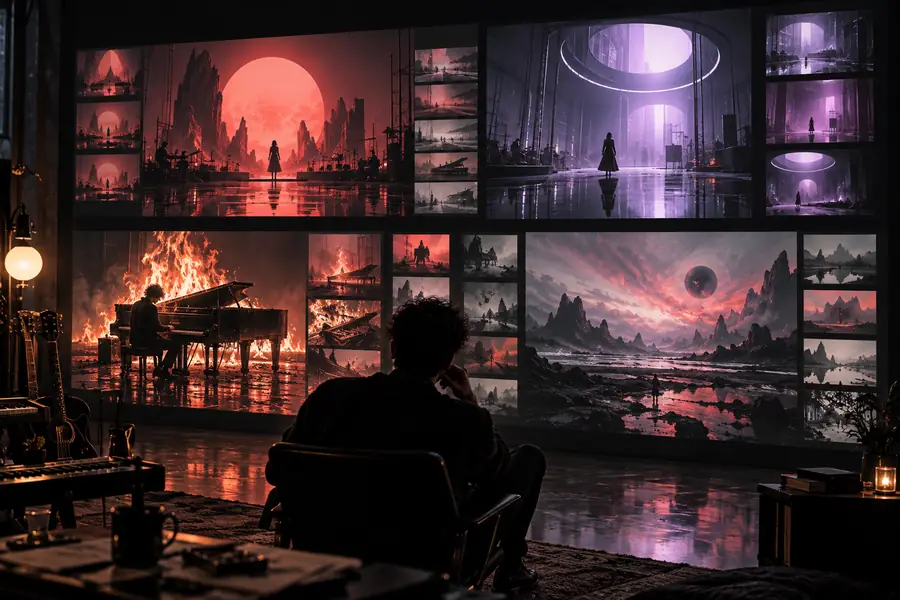

The difference is shaped by selection, sequencing, and post-production as much as by generation.
Bring a specific idea, soundtrack, scene, or visual constraint to the creative workspace. Judge the result by usefulness in your production process, not by a single impressive preview.
It is a balanced assessment rather than a simple recommendation. The workflow may help with visual exploration and early material, but it should not be treated as a replacement for direction, editing, validation, or rights checks.
Look for details about the actual workflow, consistency, editing needs, and intended use case. A useful review separates documented product scope from subjective reactions to a small number of attractive outputs.
Reddit discussions can reveal practical frustrations, unexpected strengths, and questions worth investigating. They are still personal reports, so compare several accounts and check whether the poster had the same goal, workflow, and expectations as you do.
Avoid relying on it when you need guaranteed continuity, precise subject control, fully finished delivery, or clearly established commercial clearance without additional review. A conventional production process or a more specialized tool may be a better fit in those situations.